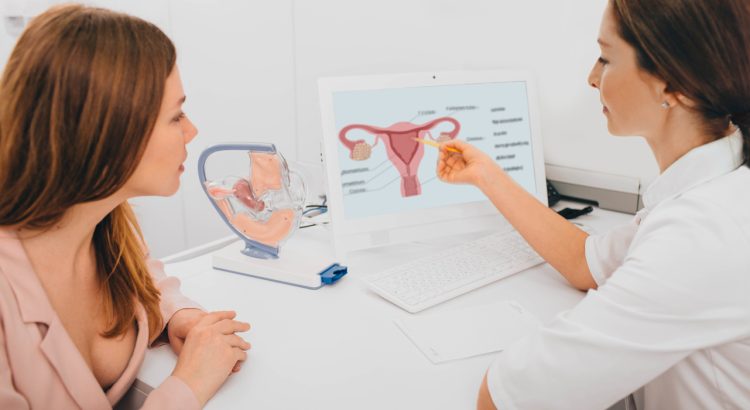
Menopause marks a transition in a woman’s life, bringing numerous changes to her body health. This natural biological process typically occurs between the ages of 45 and 55, signalling the end of a woman’s reproductive years. As the ovaries gradually produce less estrogen and progesterone, various gynecological issues may arise, affecting women’s well-being and quality of life.
- Vaginal dryness – A common concern
The most prevalent gynaecological issue affecting menopausal women is vaginal dryness. As estrogen levels decline, the vaginal tissues become thinner, less elastic, and produce less natural lubrication. This leads to discomfort during intercourse, itching, and an increase in urinary tract infections. Many women find relief through the use of vaginal moisturizers, lubricants, or, in some cases, localized estrogen therapy.
- Disrupting daily life
Hot flashes and night sweats are hallmark symptoms of menopause that can significantly impact a woman’s comfort and sleep quality. These sudden feelings of intense heat, often accompanied by sweating and rapid heartbeat, can occur day or night. While the exact cause remains unclear, fluctuating hormone levels are believed to play a role. Virginia Gynecology specialists often recommend lifestyle modifications, such as dressing in layers, trigger foods, and maintaining a cool sleeping environment to help manage these symptoms.
- Urinary incontinence – A sensitive topic
Urinary incontinence becomes more common as women age, particularly during and after menopause. The weakening of pelvic floor muscles and changes in urethral tissue can lead to stress incontinence (leakage during physical activities) or urge incontinence (sudden, intense urges to urinate). This issue impacts a woman’s social life and self-esteem.
- Uterine prolapse – A hidden concern
As estrogen levels decrease, the pelvic floor muscles that support the uterus may weaken, potentially leading to uterine prolapse. This condition occurs when the uterus descends into the vaginal canal, causing discomfort, pressure, and sometimes urinary or bowel issues. Gynecology professionals offer a range of treatments, from pelvic floor exercises to pessaries or surgical options, depending on the severity of the prolapse and its impact on the woman’s quality of life.
- Osteoporosis – Protecting bone health
While not strictly a gynecological issue, osteoporosis is closely linked to the hormonal changes of menopause. The decline in estrogen levels causes bone loss, increasing the risk of fractures. Regular bone density screenings become crucial during this life stage. Healthcare providers recommend calcium and vitamin D supplements, weight-bearing exercises, and, in some cases, medications to help maintain bone-strength fractures.
- Mental health considerations
While not strictly a gynecological issue, the hormonal changes during menopause can have a significant impact on mental health. These emotional changes can be exacerbated by sleep disturbances caused by night sweats or other menopausal symptoms. Healthcare providers can offer support and treatment options, which may include counselling, lifestyle modifications, or medication when necessary.
- Skin and hair changes
The decline in estrogen levels during menopause can also affect skin and hair. Many women notice their skin becoming drier, thinner, and less elastic. Hair may thin or become more brittle. While these changes are not strictly gynecological, they are often discussed with healthcare providers as part of overall menopausal health management. Skincare routines may need to be adjusted, and some women may seek treatments to address these cosmetic concerns.
- Embracing a new chapter
Menopause marks the beginning of a new chapter in a woman’s life. Whether through lifestyle modifications, medical interventions, or a combination of approaches, numerous menopausal symptoms maintain overall health. With the right support and care, women continue to lead active, fulfilling lives well beyond their reproductive years.