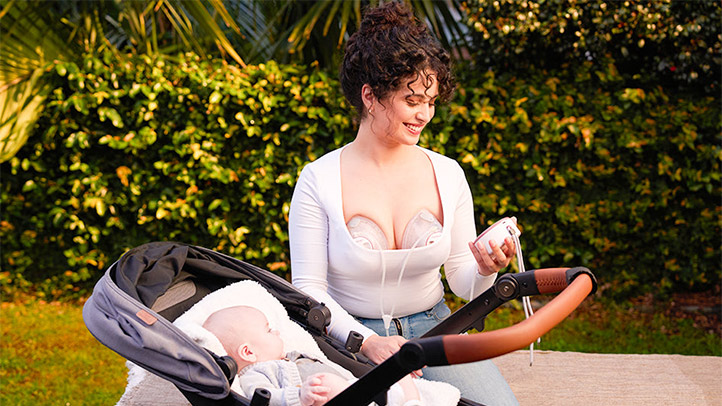
The average breastfeeding mother spends 15-20 hours per week pumping, creating a significant challenge for busy schedules. Between work commitments, household responsibilities, and caring for children, finding dedicated pumping time becomes increasingly difficult. Many mothers struggle with the physical constraints of traditional pumps that require them to remain stationary, limiting their ability to multitask effectively.
Free hands-free breast pump solutions revolutionize this experience by eliminating the time-consuming barriers that make pumping feel overwhelming. These innovative systems allow mothers to maintain milk supply while continuing daily activities, transforming what was once a restrictive routine into a seamless part of their day. The key lies in understanding how to access these solutions without financial burden and maximize their efficiency.
This guide explores three critical areas: navigating insurance coverage and assistance programs to obtain free pumps, identifying essential portable features that enhance mobility, and implementing proven hands-free techniques that save precious time. By mastering these strategies, mothers can reclaim hours in their week while maintaining successful breastfeeding goals.
Understanding Free Breast Pump Accessibility
The Affordable Care Act mandates that most insurance plans cover breast pumps at no cost, including many hands-free models. Contact your insurance provider directly to verify coverage details and obtain a list of approved suppliers. Most plans require a prescription from your healthcare provider, which can be requested during prenatal visits or postpartum appointments.
WIC programs across all states provide free breast pumps to eligible participants, often including portable electric models. Apply through your local WIC office with proof of income, residency, and pregnancy or breastfeeding status. Many locations offer same-day approval and pump distribution.
Hospital-grade rental programs through lactation consultants frequently include insurance billing services, handling paperwork directly with your provider. Some manufacturers partner with healthcare systems to offer free upgrades to hands-free models when traditional pumps are prescribed.
Avoid common application mistakes by ensuring your prescription specifies “electric breast pump” rather than manual options, as this language typically qualifies for higher-tier models. Submit claims within your plan’s specified timeframe, usually within 30 days of delivery or the baby’s birth. Keep all documentation, including receipts and prescription copies, as some plans require reimbursement rather than direct payment to suppliers.
Essential Features of Portable Breast Pumps
Design Factors for True Portability
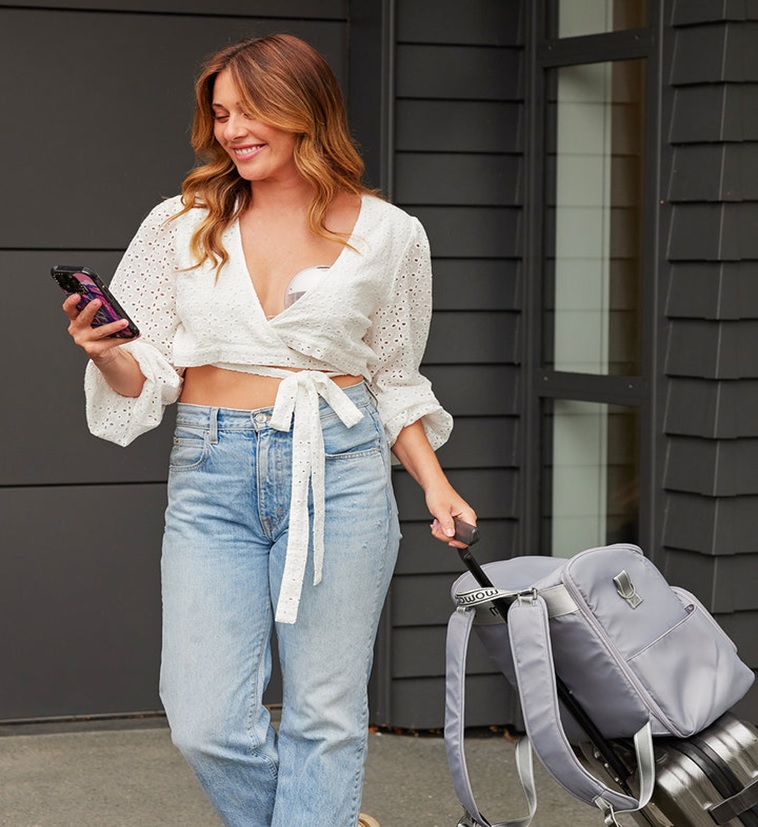
Weight becomes crucial when selecting a portable pump, with optimal models weighing under two pounds for comfortable extended wear. Look for compact designs that fit discreetly under regular clothing without creating obvious bulges or requiring wardrobe changes. Battery life should provide at least four pumping sessions on a single charge, with quick-charge capabilities that restore 50% power within 30 minutes. The best portable pumps integrate seamlessly with standard nursing bras and can accommodate various flange sizes without additional adapters. Consider models with detachable components that separate the motor from collection cups, allowing you to wear only the essential pumping elements while keeping the heavier motor unit stationary.
Maximizing Pumping Efficiency
Adjustable suction strength with at least five intensity levels ensures optimal milk extraction while maintaining comfort throughout longer sessions. Cycle speed optimization features that mimic natural nursing patterns typically include a two-phase system: rapid stimulation followed by slower, deeper expression cycles. Choose pumps with collection containers holding at least five ounces per side to accommodate varying output levels without frequent emptying. Spill-proof mechanisms with secure locking lids and anti-backflow valves prevent milk loss during movement and protect the motor from contamination. Smart pumps with memory settings automatically resume your preferred suction and speed combinations, eliminating setup time for each session.
Ensuring Breastfeeding Comfort
Silent operation technology keeps noise levels below 50 decibels, allowing discreet pumping in professional environments or around sleeping children. Proper flange sizing significantly impacts comfort and efficiency, with sizes ranging from 21mm to 36mm available for most portable models. Request sizing guides from manufacturers or consult lactation specialists to determine your correct fit, as improper sizing reduces milk output by up to 30%. Ergonomic materials including soft silicone flanges and breathable fabric components prevent chafing during extended wear. Advanced models offer customizable suction patterns that adjust automatically based on your milk flow, reducing discomfort while maintaining optimal extraction rates throughout each session.
Optimizing Pumping Efficiency for Busy Lifestyles
Schedule pumping sessions 2-3 hours after your baby’s longest sleep period when milk production peaks naturally. This timing maximizes output while working with your body’s hormonal rhythms. Track your baby’s feeding patterns for one week to identify consistent gaps that allow uninterrupted 15-20 minute pumping windows.
Power-pumping mimics cluster feeding by alternating 20 minutes pumping, 10 minutes rest, 10 minutes pumping, 10 minutes rest, then 10 minutes final pumping. Perform this technique once daily for three consecutive days to signal increased milk demand. Most mothers see supply increases within 72 hours using this method.
Store milk in 2-4 ounce portions using pre-sterilized bags that lay flat for efficient freezer space utilization. Label containers with pumping date and time, rotating stock using oldest milk first. Combine milk from the same pumping day after equalizing temperatures, but avoid mixing fresh milk directly with frozen supplies.
Consume lactation-supporting foods 30 minutes before pumping sessions, including oats, almonds, and adequate water intake. Fennel tea and brewer’s yeast supplements can boost production when consumed consistently. Avoid caffeine two hours before pumping as it may affect let-down reflexes.
Digital tracking apps record pumping duration, volume, and timing patterns to identify your most productive periods. Export this data to share with lactation consultants who can suggest personalized schedule optimizations. Set phone reminders for consistent pumping intervals, as irregular timing reduces overall milk supply within 48 hours.
Hands-Free Pumping Techniques and Solutions
Essential Hands-Free Gear
Pumping bras with strategically placed openings eliminate the need to hold flanges while maintaining proper positioning and suction. Look for bras with adjustable straps and multiple hook closures that accommodate fluctuating breast size throughout your pumping journey. The Simple Wishes Signature Hands-Free Pumping Bra and Kindred Bravely Sublime Hands-Free Pumping & Nursing Bra offer universal compatibility with most pump brands through reinforced flange holes.
Wearable pumps like hospital-grade models integrate directly into specially designed bras, creating completely cord-free mobility. These systems typically weigh under 10 ounces per side and operate silently for up to 3 hours on battery power. Brands like Momcozy have developed wearable options that provide hospital-grade suction strength while maintaining the portability needed for active lifestyles. Compare suction strength ratings, as wearable models vary significantly in extraction efficiency compared to traditional electric pumps.
Create DIY hands-free solutions by cutting small X-shaped openings in well-fitting sports bras, ensuring cuts are 1/4 inch smaller than your flange diameter for secure hold. Reinforce edges with fabric tape to prevent tearing during repeated use.
Multitasking Strategies
Set up dedicated pumping workstations with laptop stands positioned at comfortable viewing angles and wireless keyboards for continued productivity. Use noise-canceling headphones during video calls to mask any residual pump sounds while maintaining professional appearance above camera level.
Organize pumping supplies in portable caddies that move between locations, including extra batteries, storage bags, and sanitizing wipes. Plan pumping sessions during routine activities like email management, online training modules, or administrative tasks that don’t require physical movement.
Maintain safety protocols by avoiding driving, cooking, or lifting heavy objects while using wearable pumps, as reduced awareness of breast positioning may cause discomfort or equipment damage.
Empowering Your Breastfeeding Journey
Free hands-free breast pump solutions transform the pumping experience from a time-consuming constraint into an efficient, integrated part of daily life. By leveraging insurance coverage through the ACA and government assistance programs like WIC, mothers can access portable technology that saves 5-10 hours weekly while maintaining optimal milk production. The combination of proper equipment selection, strategic scheduling, and proven hands-free techniques creates a sustainable pumping routine that supports both professional responsibilities and family commitments.
Take immediate action by contacting your insurance provider this week to verify breast pump coverage and request a prescription from your healthcare provider. Remember that the right hands-free system isn’t just about convenience—it’s about empowering your breastfeeding journey with practical solutions that respect your time and energy. Your commitment to providing breast milk deserves support through tools that work with your lifestyle, not against it. Every mother deserves the freedom to nourish her baby while pursuing her goals confidently.