For some, an interest in advanced skincare treatments, such as Hydrafacial London, goes hand in hand with finding an effective hair removal routine. Many individuals want to ensure their skin not only appears smooth and hair-free but also remains healthy and radiant, which is why it is worth examining the advantages and disadvantages of each hair removal solution.
According to a specialist from Medspa Beauty Clinic, “One of the main advantages of laser hair removal is that it targets the hair follicle at its core, potentially leading to fewer ingrown hairs and longer-lasting smoothness compared to many alternative methods.” This professional advice can be especially important in a city like London, where pollution, changing weather conditions, and busy schedules can take a toll on the skin. Hair removal should not only cater to immediate aesthetic results but also consider overall skin health over time. Approaching the matter from this angle can make a real difference in the long run.
Hair Removal Basics and Why It Matters
A smooth appearance is not just about vanity; it often boosts self-confidence and can form part of a personal grooming routine that fits into a healthy lifestyle. While some individuals embrace body hair and choose to leave it untouched, others may feel more comfortable removing it, whether for aesthetic preferences, cultural traditions, or even sports-related reasons. In London, there is a growing emphasis on convenience and quality. People want routines that do not take up too much time and provide results that do not fade too quickly. This is why a hair removal showdown between laser technology and other methods deserves close attention. Knowing how each technique works, and understanding its impact on the skin, can help in making an informed decision.
Traditional methods such as shaving and waxing have been around for decades, if not centuries in one form or another. They are widely accessible, often inexpensive in the short term, and reasonably easy to perform at home. However, they come with drawbacks that might include skin irritation, ingrown hairs, and the need for frequent repetition. Contemporary methods, such as laser hair removal, promise more lasting results, but they require a bigger initial financial commitment and a series of sessions to achieve the best outcome. Questions regarding effectiveness, cost, skin sensitivity, and overall convenience remain central to any hair removal debate.
Understanding Waxing and Its Effects
Waxing is typically one of the first methods people consider after deciding they do not want to shave on a regular basis. Hot or cold wax is applied to the desired area, then quickly removed to pull hairs out at the root. The immediate effect can be smoother skin compared to shaving, as waxing extracts the entire hair shaft rather than slicing it off at surface level. This means regrowth often appears finer over time. Some adherents find waxing relatively affordable, especially when done at home, and appreciate the shorter time it takes to see new growth. Still, for many Londoners, the expense of frequent salon appointments can build up if done professionally, and at-home waxing kits can be messy or inconsistent.
Despite waxing being a staple of many beauty regimens, it is not without its share of discomfort. Pulling hair from the roots can be painful, and those with sensitive skin may experience redness or minor bruising. Furthermore, waxing requires hair to be a certain length for the wax to grip effectively, so there is a stage where regrowth is visible between sessions. Londoners juggling events and social commitments might find this mid-phase undesirable, preferring a method that does not demand waiting until there is enough regrowth to remove again. There is also the risk of ingrown hairs, which can occur if dead skin cells clog the follicle, causing new hair to grow sideways. Over time, repeated waxing can still provide decent results, but the potential for irritation and the hassle of regrowth might push some individuals to look for a more advanced option.
How Shaving Compares
Shaving is often the easiest and most accessible method of hair removal, requiring only a razor and shaving gel or cream. It can be done in minutes, making it especially popular with those who do not want to spend too much time or money on their grooming routine. In a city that never seems to slow down, it might seem like a convenient solution. However, shaving merely removes hair at the skin’s surface, which means regrowth appears quicker than with methods like waxing. Many find themselves needing to shave daily or every other day to maintain a consistently smooth result. There is also the common issue of razor burn, cuts, and ingrown hairs if the skin is not well-prepared or the razor is dull.
People who are prone to skin sensitivities may find shaving less appealing in the long term. The repetitive action of dragging a razor against the skin can cause micro-tears or irritation, especially if done hastily. While razors are relatively inexpensive, and the learning curve is minimal, over time, costs can add up from the continual purchase of blades or handle replacements. Those hoping for a hair-free solution that does not require near-constant upkeep often become frustrated with shaving’s limitations, prompting them to seek alternatives that are gentler and more efficient.
Exploring Threading and Epilation
Threading is an ancient technique commonly associated with facial hair removal, particularly around the eyebrows and upper lip. In London, brow bars and salons often use threading for precise hair extraction, offering sharper definition for eyebrows without the use of chemicals. It involves using a twisted cotton thread to capture and pull hair from the root. While highly effective for shaping small areas, it is not typically used for larger body areas because of the time it would take. The pain level can vary depending on an individual’s threshold, but most people find threading results last longer than shaving and offer more precision than waxing on delicate regions like the face.
Epilation, on the other hand, uses a mechanical device that grips multiple hairs and pulls them from the root. Like waxing and threading, this can be painful initially, especially if you are unused to the sensation. Modern epilators sometimes include attachments designed to reduce discomfort, but it remains a method that can be somewhat intense. The results, however, typically last several weeks before noticeable regrowth occurs. Epilating can work well on a variety of body areas, though individuals with sensitive skin might need to proceed cautiously. Moreover, just as with waxing, there is a risk of ingrown hairs if the skin is not exfoliated and moisturised properly.
Depilatory Creams and Their Role
Depilatory creams break down the hair at or just below the skin’s surface using chemicals that essentially dissolve the hair shaft. After applying the cream, it is wiped away, taking the loosened hair with it. The simplicity can be appealing, since it only requires spreading the cream, waiting the recommended amount of time, and then removing it. However, the smell of these products can be strong, and there is a possibility of adverse skin reactions. Anyone with sensitive or allergy-prone skin might need to test the cream on a small area first.
While depilatory creams can provide a smoother finish than shaving because they often go slightly below skin level, the hair still grows back relatively quickly. Some individuals also dislike the dryness that can accompany chemical hair removal and might need to follow up with a rich moisturiser. For those seeking a quick fix with minimal skill required, depilatory creams can work, but they are unlikely to satisfy people looking for a longer-lasting solution or those aiming to eliminate potential chemical exposure.
Sugaring: An Alternative to Waxing
Sugaring is often considered a more natural version of waxing, involving a paste made from sugar, lemon juice, and water. Practitioners claim it can be less painful than waxing, as the sugar only sticks to the hair and not the skin, theoretically leading to less irritation. Like waxing, sugaring pulls hair out from the roots, and results can last for several weeks. It has gained popularity in parts of London where more natural and holistic beauty treatments are in demand. The technique also typically requires the hair to be of a certain length for effective removal, which means visible regrowth in between sessions.
Fans of sugaring often highlight the reduced risk of ingrown hairs and fewer ingredients that can irritate the skin. Yet, it is not entirely pain-free, as there is still a degree of discomfort when the hair is extracted. Professional sugaring services might be priced similarly to waxing, and at-home sugaring kits do exist, but proper technique is crucial to avoid a sticky mess. Similar to waxing, the results can be good for those willing to maintain a cycle of growth and removal, but it may not provide the permanent or near-permanent solution that more advanced methods can promise.
Why Londoners Turn to Laser Hair Removal
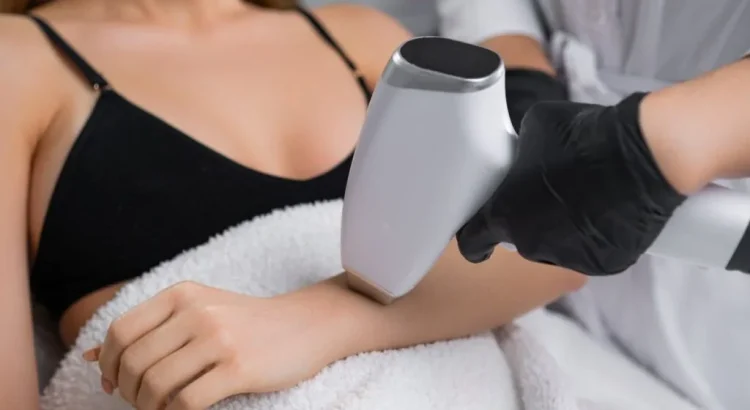
Laser hair removal stands out for its ability to target the root of the hair follicle through the use of highly concentrated light beams. The pigment in the hair absorbs the laser, which damages the follicle and hinders future growth. People who frequently struggle with ingrown hairs, razor bumps, or continuous regrowth often find laser treatments appealing. The idea of significantly reducing or sometimes almost eliminating the need for ongoing hair removal is a major draw, particularly in London, where packed schedules leave little time for constant grooming. Indeed, the promise of smooth, hair-free skin that can last for months or years sounds appealing to many.
Yet laser hair removal comes with considerations that cannot be overlooked. The process often involves multiple sessions spaced several weeks apart, which can become costly if a large area is treated. The total cost and the number of treatments vary based on individual hair type, colour, thickness, and the treated region. People with darker hair and lighter skin tones typically see quicker results because the laser can more easily detect the contrast. However, advancements in laser technology continue to make the procedure more effective across various skin types and hair colours. Another factor is the potential for mild discomfort during each session, though many machines now feature cooling mechanisms to reduce pain.
How Laser Measures Up in the Long Run
Unlike shaving, which can require daily maintenance, or waxing, which needs frequent appointments, laser hair removal offers a potentially transformative approach to personal grooming. Over time, hair follicles become less active and produce thinner or sparser hair. After completing a recommended course of treatments, some individuals only need occasional top-up sessions. Though it is not always correct to call it “permanent,” it is often described as long-term hair reduction. The skin, when properly cared for, benefits from fewer ingrown hairs and the absence of constant shaving friction or waxing tugging.
Despite these benefits, it is important to remember that laser hair removal may not guarantee a total cessation of hair growth. Hormonal changes, certain medications, or physiological factors might stimulate new growth. Nonetheless, compared to other methods that necessitate continuous attention, the need for maintenance sessions is significantly reduced. This can be a game-changer for anyone trying to streamline their routine and minimise the time spent on upkeep.
Considering Safety and Side Effects
Any discussion about laser hair removal should address potential side effects. While many experience only mild redness or sensitivity after a session, complications can arise if the procedure is not done correctly or if aftercare instructions are ignored. Minor burns, hyperpigmentation, or scarring are rare but can happen. Selecting a reputable clinic with trained professionals is vital for ensuring the right laser machine is used and that the technician is knowledgeable about calibrating the settings to the client’s skin type. London’s competitive beauty market offers numerous options, so researching clinics with strong credentials and positive reviews is a wise step.
Those with very sensitive skin or certain medical conditions might require a patch test and a thorough consultation before proceeding. The specialist should evaluate medical history, skin tone, and hair characteristics to determine if laser treatment is suitable. Furthermore, avoiding sun exposure before and after each session, or using adequate sunscreen, is important for reducing the chance of pigmentation changes. It is usually recommended to refrain from waxing or plucking during the course of laser treatment, since removing the hair at the root can make the laser less effective.
Cost Analysis: Laser vs. Traditional Methods
In the short term, methods like shaving, waxing, and depilatory creams are undeniably cheaper. A basic razor or waxing kit does not demand a substantial upfront investment. However, the cumulative costs add up over time. For example, a regular wax appointment every few weeks can quickly surpass what one would pay for a series of laser sessions, especially for areas like the legs, underarms, or bikini line. When factoring in the time invested in continuous hair removal over many years, laser treatments can ultimately prove cost-effective.
London’s salon culture remains vibrant, and some individuals might enjoy monthly or bi-monthly visits for waxing, threading, or sugaring as part of a self-care routine. Others, though, may feel the repeated bills are difficult to justify, especially if they do not enjoy the pain or hassle of these methods. By contrast, laser hair removal requires an initial series of treatments, often spaced four to six weeks apart, followed by occasional maintenance. The price tag might seem steep initially, but if it delivers an outcome that drastically reduces the frequency of hair removal, it becomes a worthwhile investment for many. This long-term perspective is increasingly appealing to people aiming for efficiency and budgeting carefully in an expensive city.
Choosing the Right Method for Your Skin
Different individuals have different skin types, hair textures, budgets, and personal preferences. Some may find waxing perfectly manageable and prefer sticking to it because of convenience or familiarity. Others might lean towards laser because they want to reduce the frequency of hair removal. People prone to allergies or adverse reactions to chemicals might avoid depilatory creams, while those wary of pain might skip methods that involve yanking hairs from the root.
Proper preparation and aftercare are equally crucial for whichever method is chosen. Techniques like exfoliating, moisturising, and using quality products or devices can enhance results and reduce side effects. Seeking professional guidance is often beneficial, especially for more advanced treatments like laser hair removal. A short consultation can clarify whether the method suits your skin type, schedule, and expectations. In a city as diverse as London, clinics offer customised plans to address unique needs, ranging from hair thickness to cultural grooming preferences. By considering your lifestyle and comfort level, you can arrive at the most appropriate method without undue trial and error.
Maintaining Skin Health Along the Way
Whichever route you choose, skin health should never be overlooked. Aggressive hair removal techniques or frequent repetition can compromise the skin’s protective barrier. Dryness, flakiness, or even small abrasions can develop, leading to discomfort. Regular exfoliation and hydration are key, but so is listening to your skin’s signals. If redness, ingrown hairs, or bumps persist, it might be time to switch methods or consult a specialist. Particularly after waxing or laser, wearing loose clothing and avoiding intense sun exposure can help the skin recover and maintain its smoothness.
In London, the climate can change rapidly, from dry indoor heating in winter to humid summer days. This can affect how the skin responds to various hair removal methods. Moisturising becomes essential throughout the year. Some find that professional skincare treatments, such as facials or Hydrafacial London, also benefit the skin by cleaning pores, reducing congestion, and enhancing overall glow. While these facials do not specifically address hair removal, healthy skin can cope better with treatments and is less likely to become irritated or inflamed. Balancing hair removal with a good skincare regimen not only promotes better immediate results but also supports long-term skin resilience.
Weighing the Pros and Cons of Each Method
When it comes to cost, pain level, and upkeep, each hair removal method has strengths and weaknesses. Shaving is quick but temporary. Waxing and sugaring last longer but can be painful, with the need for regrowth periods. Threading works great for facial areas but is impractical for larger regions. Epilation provides a compromise but still involves pulling hairs out at the root. Depilatory creams are painless but can irritate sensitive skin and require frequent repetition. Laser hair removal offers a longer-lasting solution but demands a financial and time commitment upfront.
The variety can be overwhelming, yet it is this very range of options that allows people to tailor their approach. Some may use different methods for different body parts. It is not uncommon for someone to prefer laser for large areas like the legs or back while still waxing or shaving the underarms. Personal preference, tolerance for discomfort, budget, and skin sensitivity all factor into the equation. The important part is to have a clear understanding of what each method entails before making a choice.
Laser Hair Removal in the Context of Modern Beauty
The trend towards high-tech beauty in London has grown in tandem with increasing awareness of aesthetic treatments. Laser hair removal is often featured alongside other advanced procedures that promise transformative results with minimal downtime. While the concept is not entirely new, modern lasers are far more sophisticated, offering better precision and customised settings to suit different skin tones. Improved equipment translates to fewer side effects, more comfort, and more reliable outcomes. Clinics frequently highlight how technology has evolved to make the experience as pain-free as possible, an appealing factor for those who dread waxing or epilation sessions.
For busy Londoners, this method lines up with the broader shift towards convenience and long-term investment in one’s appearance. Similar to how people consider advanced facial treatments or body contouring procedures, laser hair removal can be viewed as an ongoing part of a comprehensive beauty plan. It aligns well with the idea that once you have established a routine that works, you can focus more on other aspects of life rather than constantly worrying about unwanted hair growth. The city’s competitive clinic environment ensures that new clients can often find promotions, package deals, or consultations that make the initial leap less daunting.
Who Might Benefit Most from Laser Treatment
Those who struggle with chronic razor bumps, ingrown hairs, or skin sensitivities might find laser particularly appealing. If you are the type of person who frequently experiences redness or irritation after shaving or waxing, laser hair removal could be a significant relief. Athletes or fitness enthusiasts, including swimmers, runners, and bodybuilders, might also value the smoothness and reduced maintenance, as it saves time and reduces friction. Additionally, anyone who has a demanding schedule and wants to consolidate tasks could see the benefit of a few laser sessions as a long-term solution.
However, individuals with lighter or finer hair may find the results less dramatic, at least with older laser technologies. Blonde, grey, or red hair contains less pigment for the laser to target, which can require more treatments. Nonetheless, newer devices have made strides in addressing these shades. Still, an in-person consultation remains essential to verify suitability and map out a treatment plan. For those who cannot tolerate the initial cost, there may be alternative methods or smaller treatment areas to start with, leading to a gradual approach that fits within a budget.
Making an Informed Decision in the Capital
In a city bustling with innovation and beauty services, deciding on a hair removal method calls for careful thought. One person’s ideal solution might not be another’s, and experiences can vary widely based on personal factors. On the plus side, London’s diversity in treatment providers makes it easier to find a professional who can guide you through the options, whether you end up settling on laser sessions, waxing, or a combination of techniques. Checking a clinic’s credentials, reading reviews, and perhaps scheduling multiple consultations can help avoid disappointment later on.
As the discussion has shown, each hair removal method carries its own set of advantages, challenges, and price points. Waxing, sugaring, threading, and epilation remain viable for those who prefer a more traditional or natural touch. Shaving and depilatory creams remain the quickest, most accessible solutions, though they are often short-lived. Laser hair removal stands out for its promise of long-term reduction, despite requiring a bigger initial commitment. While not entirely permanent, the notable drop in hair growth frequency and density can significantly shift one’s grooming routine in a positive way.
The Future of Hair Removal and the British Audience
In Britain, trends often balance tradition with cutting-edge technology, a sentiment reflected in the hair removal debate. Even as advanced methods gain prominence, plenty of people stick with tried-and-tested basics because they are familiar, affordable, or simply convenient for their lifestyle. However, the drive towards efficiency, combined with the attractiveness of reduced regrowth, pushes many towards exploring laser or similarly progressive treatments. Over time, further improvements in laser machinery, combined with more widespread availability, might make it a default choice for larger portions of the population.
Clinics offering bundled services—like combining laser hair removal sessions with other skincare packages—are increasingly common. It is not unusual for someone to address multiple aesthetic concerns at once, perhaps pairing hair removal with something like Hydrafacial London to maintain a glowing complexion. An integrated approach to skin health recognises that hair removal is just one piece of the puzzle in feeling comfortable and confident. By choosing methods and treatments that complement one another, individuals can optimise both time and results.
Conclusion
Hair removal remains an important concern for many people who care about appearance, practicality, and long-term value. In London, where trends shift quickly and convenience is paramount, comparing laser to methods like waxing, shaving, threading, depilatory creams, sugaring, and epilation helps highlight the strengths and weaknesses of each. Laser hair removal appears poised at the forefront for those willing to make a larger initial investment with the goal of significantly reducing the need for frequent grooming. Traditional methods still have their loyal followers, either for cultural reasons, budget considerations, or personal comfort.
Selecting the right hair removal method involves understanding how each option works, its potential impact on the skin, and its alignment with personal needs. From the immediate smoothness of shaving to the long-lasting (yet painful) results of waxing, every route has a place. Laser hair removal, guided by skilled professionals, offers an increasingly accessible solution for those seeking a long-term reduction, fewer ingrown hairs, and a streamlined routine. While not a universal fit for everyone, it exemplifies how modern technology can simplify life without sacrificing quality.
In the end, the key is to remain informed, realistic, and attentive to how your skin responds. London’s diverse selection of salons, clinics, and specialists ensures that everyone can find an approach suited to their lifestyle, skin type, and budget. By weighing factors such as effectiveness, safety, cost, and frequency of treatment, you can choose a method that best reflects your personal preferences. As the landscape evolves, newer lasers, advanced skincare products, and integrated beauty packages may further transform how hair removal is approached, but the essential question remains: which solution provides the best balance of convenience, comfort, and enduring results? For many in the capital and beyond, laser hair removal stands as a compelling choice, but the final decision will always rest on individual priorities and expectations.