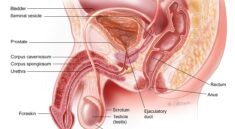
Physical therapy is a broad field that encompasses various specialized areas of treatment. While regular physical therapy focuses on general musculoskeletal issues, pelvic floor physical therapy targets a specific group of muscles crucial role in our daily lives. Pelvic floor treatment differs from both types of therapy in its unique features.
Specialized training and expertise
Regular physical therapists receive general training in musculoskeletal health and rehabilitation. However, pelvic floor specialists undergo additional education and certification to develop expertise in this complex area of the body. They gain in-depth knowledge of pelvic anatomy, function, and relationships between pelvic structures and surrounding systems. Pelvic Floor Physical Therapy in San Francisco and throughout the world involves an understanding of the unique challenges the pelvic region faces. This specialized knowledge targeted interventions and personalized treatment plans for patients with pelvic floor disorders.
Assessment and treatment techniques
The assessment process for regular physical therapy often involves observing movement patterns, testing strength and flexibility, and evaluating overall function. In contrast, pelvic floor therapy internal and external examinations assess muscle tone, strength, and coordination of the pelvic floor muscles. Treatment techniques in pelvic floor therapy can differ significantly from those used in regular physical therapy. While both may incorporate exercises and manual therapy, pelvic floor treatments often include:
- Biofeedback training to improve muscle awareness and control
- Internal manual therapy to address trigger points and muscle tension
- Electrical stimulation to enhance muscle function
- Behavioral modifications for bladder and bowel habits
- Education on proper posture and body mechanics
Privacy and sensitivity
Pelvic floor physical therapy deals with intimate areas of the body and often addresses sensitive issues. Therapists in this field must create a safe, comfortable environment for patients to concerns openly. They receive training in maintaining patient dignity and privacy during the assessment and treatment process.
Conditions treated
Regular physical therapy treats a wide range of conditions, including sports injuries, back pain, arthritis, and post-operative rehabilitation. Pelvic floor therapy, on the other hand, focuses on specific issues such as:
- Urinary incontinence
- Pelvic organ prolapse
- Chronic pelvic pain
- Sexual dysfunction
- Postpartum recovery
- Prenatal and postnatal care
Duration and frequency of treatment
The duration and frequency of treatment can vary between regular and pelvic floor physical therapy. Regular physical therapy sessions may be shorter and more frequent, especially for acute injuries. Pelvic floor therapy often requires longer sessions to address complex issues and may involve a longer overall treatment period due to the nature of pelvic floor disorders.
Patient education and self-management
Both forms of therapy emphasize patient education and self-management strategies. However, pelvic floor therapy often requires more in-depth education on anatomy, muscle function, and lifestyle modifications. Patients may need to learn specific exercises and techniques to perform at home, which can be more complex than those prescribed in regular physical therapy.
Integration with other therapies
While regular physical therapy can often stand alone as a treatment, pelvic floor therapy frequently integrates with other medical interventions. It may be part of a multidisciplinary approach that includes medical management, psychological support, and lifestyle interventions to address complex pelvic floor disorders effectively.
Pelvic floor physical therapy is a distinct and specialized form of treatment that differs from regular physical therapy in its focus, techniques, and approach to patient care. As awareness of pelvic health grows, the importance of this specialized field continues to gain recognition in the medical community and among patients seeking effective solutions for pelvic floor.