

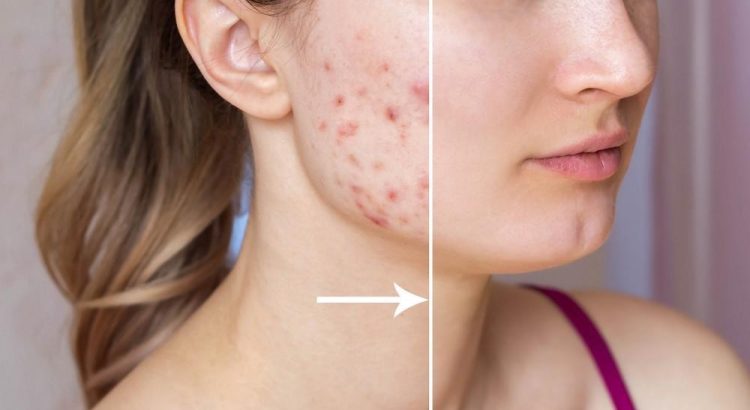
Acne scars can serve as a persistent reminder of past breakouts, impacting both skin texture and self-confidence. Fortunately, numerous non-surgical treatment options can significantly enhance skin appearance without the need for invasive procedures. From advanced laser therapies to innovative skincare solutions, these methods are highly effective in transforming acne-scarred skin into a smoother, clearer complexion.
Most Effective Non-Surgical Treatments for Acne Scars
Several non-surgical approaches have proven effective for treating acne scars. Common options include laser therapies like Pico Laser, microneedling, radiofrequency (RF) therapy, chemical peels, and platelet-rich plasma (PRP) therapy. Each of these treatments offers customized solutions for different skin types and scar variations, allowing patients to select the method that aligns best with their concerns.
Laser Treatments: Pico Laser is among the most popular non-invasive treatments. It targets deeper layers of the skin, promoting healing and collagen production without significant downtime. Pico Laser technology delivers ultra-short bursts of energy, creating microscopic injuries that trigger the body’s natural healing response, effectively breaking down scar tissue.
Microneedling and RF Therapy: These treatments stimulate the skin’s regenerative processes. Microneedling involves tiny needles creating micro-injuries, while RF therapy adds controlled heat to enhance collagen production. Together, they effectively treat moderate to severe acne scars, improving skin texture and firmness with minimal downtime.
How Do Laser Therapies Like Pico Laser Work?
Pico Laser technology stands out as a non-invasive option for acne scar reduction. By delivering quick bursts of energy, it creates controlled injuries in the skin, stimulating the body’s healing processes. This method effectively addresses various acne scar types—such as rolling and boxcar scars—while promoting collagen production for smoother skin. Over several treatments, patients can expect gradual improvements in skin texture and tone.
The Role of Microneedling and RF Therapy
Microneedling, often combined with RF therapy, effectively reduces acne scars without surgery. The microneedles create micro-injuries, triggering collagen production. When paired with RF energy, the treatment penetrates deeper layers, amplifying results. This combination is especially effective for moderate to severe scarring, providing visible improvements after just a few sessions.
Timeframe for Improvement
Non-surgical treatments require patience, as results may take time to manifest. While chemical peels can show initial improvements after one session, other methods like laser therapy and microneedling typically require multiple sessions spaced weeks apart for optimal results. Noticeable improvements are often seen after 3-6 treatments, with continued enhancement as collagen production increases over time.
Chemical Peels for Acne Scars
Chemical peels are a go-to non-invasive treatment option. By utilizing exfoliating acids, these peels help slough off damaged skin layers, promoting cell turnover and revealing fresher skin underneath. The depth of the peel can be customized, with lighter peels providing gentle resurfacing and deeper peels targeting more stubborn scars. Despite a short recovery period with some redness, the results are often worthwhile.
Comparing Laser Treatments and Dermal Fillers for Non-Surgical Acne Scar Solutions
Laser treatments and dermal fillers represent two very different approaches to treatment for acne scars. Laser therapies like Pico Laser work by targeting the deeper layers of the skin, breaking down scar tissue and promoting collagen production for long-term results. These treatments address the root cause of scarring and can provide lasting improvements after a series of sessions.
Dermal fillers, on the other hand, offer more immediate but temporary results by filling in depressed areas of the skin caused by acne scars. While fillers can be effective for certain types of scars, such as rolling or boxcar scars, they do not address the underlying issue of scar tissue. Fillers require regular maintenance treatments to maintain their effects, whereas laser treatments offer a more permanent solution.
Effectiveness of PRP (Platelet-Rich Plasma) Therapy for Non-Surgical Acne Scar Reduction
PRP therapy has gained popularity as an effective treatment for acne scars due to its natural approach to skin healing. PRP involves drawing a small amount of the patient’s blood, processing it to concentrate the platelets, and injecting the plasma back into the skin. These platelets contain growth factors that stimulate cell regeneration and collagen production, helping to reduce the appearance of scars.
PRP therapy is often combined with other treatments like microneedling for enhanced results. When used together, these treatments accelerate skin healing, reduce scarring, and promote a smoother skin texture. PRP is particularly appealing for individuals seeking a natural, non-invasive approach to acne scar treatment.
Comprehensive Treatment Approaches
Combining treatments often yields the best results for both new and older scars. New scars may respond well to PRP therapy and chemical peels, while older scars benefit more from microneedling and laser treatments. Maintaining a consistent skincare routine with products that promote renewal—like retinoids and vitamin C serums—can further enhance outcomes.
In conclusion, transforming acne scars and achieving clearer skin is possible through various non-surgical treatments. From laser therapies like Pico Laser to microneedling and chemical peels, these options provide effective solutions for improving skin texture. By stimulating collagen production and resurfacing the skin, these non-invasive treatments deliver visible improvements with minimal downtime. For those seeking a non-surgical solution for acne scars, a journey toward clear, radiant skin is within reach.


