Understanding the Core of the Matter
Singapore’s health and fitness scene has seen a profound shift in recent years. With a growing focus on long-term mobility and functional fitness, many are embracing reformer pilates Singapore as a smarter approach to achieving physical wellness. Far beyond its image as a trendy workout, reformer Pilates has found serious traction among physiotherapists, athletes, and working professionals looking for long-term postural alignment and core control.
Unlike traditional gym workouts that often isolate muscle groups, reformer Pilates trains the body holistically, with each movement designed to integrate breath, spinal alignment, and core engagement. This is precisely why fitness-forward Singaporeans are seeking out reformer classes as a vital addition to their routines.
What Makes Reformer Pilates Scientifically Effective?
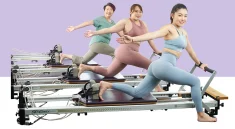
At the heart of reformer Pilates lies the Pilates reformer machine, a resistance-based apparatus that includes springs, pulleys, and a gliding carriage. Developed by Joseph Pilates, this machine adds an additional layer of neuromuscular control to each exercise.
Biomechanically speaking, the resistance offered by the reformer challenges both concentric and eccentric muscle contractions. This dual action improves muscle balance and coordination. For Singaporeans who spend long hours at a desk or staring down at mobile devices, this is invaluable in addressing forward-head posture, rounded shoulders, and weak lumbar support.
Core Activation on a Deeper Level
Reformer Pilates targets the transverse abdominis, the deep layer of abdominal muscle that acts like a corset around the spine. Activation of this muscle improves pelvic stability and relieves pressure on the lumbar discs. Instructors at professional studios like Yoga Edition are trained to guide clients into proper activation using tactile cues and progressive loading.
Postural Correction: Not Just Cosmetic
Singapore’s fast-paced lifestyle has created a spike in posture-related issues. Slouched shoulders and anterior pelvic tilts aren’t just aesthetic problems — they’re precursors to chronic pain conditions like sciatica and cervical tension headaches.
Reformer Pilates offers a structured and intelligent way to retrain the body’s postural habits. Movements such as leg circles, feet-in-straps, and arm arcs allow participants to elongate tight muscles and reinforce underused stabilisers. With consistency, clients often report visible improvements in posture and reduced pain — a result that’s backed by numerous studies in physiotherapy journals.
A Game Changer for Physiotherapy in Singapore
More physiotherapists in Singapore are integrating reformer Pilates into rehabilitation protocols, particularly for post-surgery or post-injury patients. Unlike high-impact regimens, the controlled and low-impact nature of the reformer allows gradual progress without aggravating the injury site.
For example, those recovering from ACL injuries or herniated discs benefit from exercises that increase range of motion while simultaneously retraining muscular coordination. This dual purpose of rehab and strengthening is what makes reformer Pilates especially appealing to the medical and fitness communities alike.
Expert Instruction is Key
A key pillar of effectiveness lies in instruction quality. Many instructors in Singapore undergo comprehensive training programmes such as Polestar or STOTT Pilates certification. These programmes cover anatomy, biomechanics, injury prevention, and cueing techniques.
Studios offering reformer Pilates must ensure that instructors have not only technical expertise but also the ability to tailor sessions to different body types, injuries, and goals. Yoga Edition, a premium studio in Singapore, is known for its emphasis on instructor-led, personalised reformer sessions — a vital factor in ensuring safety and long-term progress.
Reformer Pilates for Every Age Group
The adaptability of reformer Pilates is one of its most compelling features. Whether you’re a retiree aiming to improve balance and bone density, or a young athlete building core strength, the reformer provides scalable resistance and adjustable support.
Singapore’s ageing population is also finding value in reformer Pilates, as it helps in maintaining proprioception (awareness of body position), reducing the risk of falls, and improving joint function.
Myths and Misconceptions
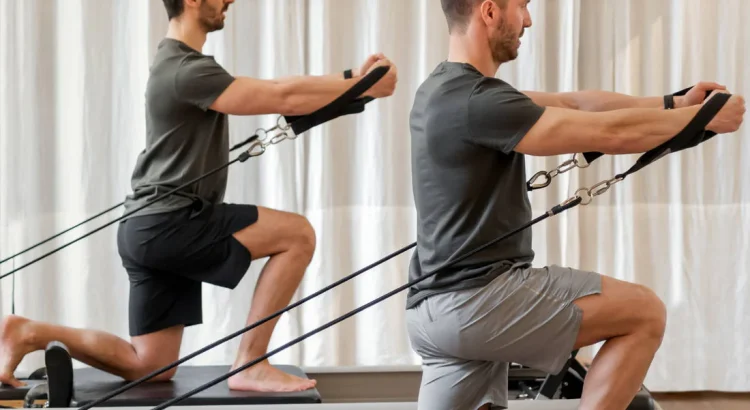
One major misconception is that reformer Pilates is only for women or people already fit. In truth, the reformer is used globally by rugby players, dancers, and rehabilitation patients alike. Its controlled resistance and alignment-based approach make it suitable for beginners and advanced movers.
Another myth is that reformer Pilates doesn’t build strength. On the contrary, when combined with spring tension and progressive overload principles, it fosters functional strength — the kind needed to carry groceries, climb stairs, or sit at a desk with proper posture for hours.
Real Stories from Singaporean Practitioners
Take Cheryl, a 38-year-old corporate executive in Raffles Place. Plagued by chronic neck stiffness and hip tightness, she turned to reformer Pilates twice a week. Within three months, her flexibility improved, and her physiotherapist noted significant improvement in pelvic alignment.
Or Kevin, a 42-year-old recreational runner. He found that incorporating reformer Pilates once a week reduced his risk of hamstring strains and improved his stride efficiency.
These stories are becoming increasingly common as more Singaporeans discover the rehabilitative and preventive potential of reformer Pilates.
How to Begin Your Reformer Journey in Singapore
If you’re new to the reformer, start with a foundation-level class. Most studios offer trial sessions, and some — like Yoga Edition — provide posture assessments before assigning a reformer programme. This ensures your sessions are safe, effective, and aligned with your personal goals.
Wear body-hugging clothing to allow instructors to see your alignment clearly, and arrive early to familiarise yourself with the machine. Don’t worry if the reformer looks intimidating — under expert supervision, it becomes an empowering tool rather than a hurdle.
Conclusion: More Than a Fitness Trend
In Singapore, where high stress levels and sedentary jobs are the norm, reformer Pilates is more than just a wellness trend — it’s a movement toward smarter, safer, and more sustainable health.
From its roots in rehabilitation to its rise in boutique studios, reformer Pilates has earned its place as a trusted modality for core strength and postural integrity. The growing body of research, coupled with real-life transformations, makes it an intelligent choice for those serious about their long-term wellbeing.
As more practitioners and studios continue to educate the public, it’s clear that reformer Pilates isn’t just about fitness — it’s about longevity, functionality, and living pain-free in a fast-moving city like Singapore.
Frequently Asked Questions (FAQ)
What’s the difference between mat Pilates and reformer Pilates?
Mat Pilates uses body weight and floor exercises, while reformer Pilates incorporates a spring-based machine that provides adjustable resistance and support, enabling deeper muscle engagement.
How often should I do reformer Pilates to see results?
For most people, 2–3 sessions a week yield visible results in flexibility, strength, and posture within 4–6 weeks.
Is reformer Pilates suitable for beginners?
Yes. Many studios in Singapore offer beginner-friendly reformer classes with personalised modifications based on your fitness level.
Can men do reformer Pilates?
Absolutely. Men benefit from improved flexibility, balance, and core strength — essential for both everyday activities and sports.
How much does a reformer Pilates session cost in Singapore?
On average, a single session ranges from SGD 40 to SGD 80, with discounts available for package bookings.