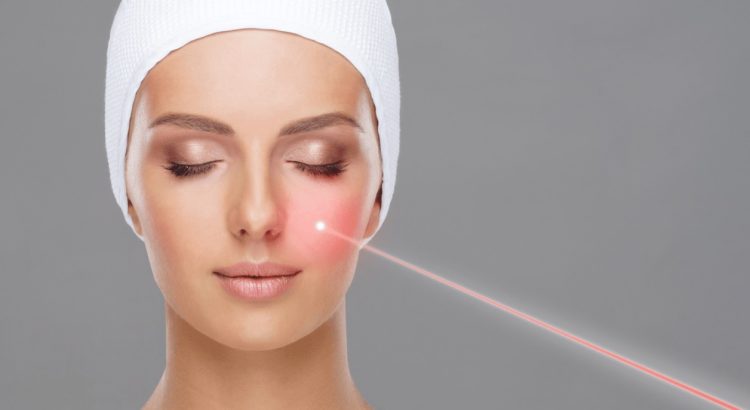
Pico Laser treatment is a popular non-invasive procedure designed to address various skin issues such as pigmentation, acne scars, and uneven skin tone. While its benefits are widely known, understanding the downtime of Pico Laser treatment is crucial for ensuring a smooth and effective recovery. This guide provides an in-depth look at what you can expect after the procedure and how to prepare for each stage of the healing process.
Minimal Downtime for Maximum Results
One of the primary reasons Pico Laser treatment is so well-loved is its minimal downtime. While traditional laser treatments may require extensive recovery periods, Pico Laser allows most individuals to resume their daily activities almost immediately. However, this doesn’t mean there isn’t any recovery time involved. You may still experience mild side effects such as redness, slight swelling, or skin sensitivity. These typically last for only a few hours to a couple of days. To make the recovery as smooth as possible, it’s essential to follow the recommended aftercare procedures.
Managing Redness and Swelling
After Pico Laser treatment, redness and mild swelling are common, particularly in areas where the laser was more focused. This is a natural reaction as the skin begins to heal and regenerate. In most cases, redness subsides within 24-48 hours, but it can vary depending on the sensitivity of your skin.
To help reduce these effects, apply cold compresses to the treated areas, which can provide soothing relief and assist in calming inflammation. Additionally, it’s recommended to avoid strenuous activities, including exercise, that could further irritate the skin. Ensuring that your skin is well-hydrated with a gentle, fragrance-free moisturizer can also help accelerate the recovery process.
Sun Sensitivity: Protecting Your Skin
The downtime of Pico Laser treatment includes heightened sun sensitivity, which is one of the most important factors to consider during the recovery phase. Post-treatment, your skin becomes more vulnerable to the harmful effects of UV rays, potentially leading to hyperpigmentation if proper precautions aren’t taken.
For at least two weeks following the procedure, it’s critical to wear a broad-spectrum sunscreen with SPF 50 or higher. Reapplying every two hours when outdoors is a must, as well as avoiding direct sun exposure whenever possible. Wearing a wide-brimmed hat and seeking shade can provide added protection, ensuring that your skin heals without complications.
Dryness and Flakiness: Hydrate and Nourish
Another common aspect of Pico Laser downtime is experiencing dryness or slight flakiness, especially as your skin begins to regenerate. This is completely normal and usually subsides within a week as the skin sheds dead cells and reveals a more radiant layer underneath.
To manage this, use a gentle cleanser and follow up with a rich, hydrating serum or moisturizer containing hyaluronic acid or glycerin. These ingredients help lock in moisture, ensuring your skin remains supple and soft throughout the recovery. Avoid any harsh exfoliants or scrubs during this time, as they could cause further irritation or delay healing.
Preparing for the Downtime of Pico Laser Treatment
Proper preparation is key to ensuring a smooth recovery. While the procedure itself is quick and relatively pain-free, taking certain measures before your treatment can help minimize any discomfort or prolonged downtime afterward.
Avoid Certain Skincare Products Before Treatment
In the days leading up to your Pico Laser session, it’s advised to stop using products that contain active ingredients such as retinoids, AHAs, and BHAs. These ingredients can make the skin more sensitive and may cause adverse reactions when combined with laser treatment.
Instead, switch to a gentle skincare routine focused on hydration and barrier repair. This will ensure your skin is in the best condition to handle the laser’s effects and will promote faster healing post-treatment.
Downtime for Different Skin Conditions Treated with Pico Laser
Pico Laser is known for its versatility in treating various skin conditions. Depending on the issue being addressed, the downtime and recovery experience can vary slightly.
Pigmentation Issues
When treating pigmentation issues, including melasma or dark spots, you may notice some initial darkening of the treated areas. This is a good sign that the laser is effectively targeting the pigmentation. This darkening usually fades within a week, revealing brighter and more even-toned skin underneath.
Acne Scars
For those undergoing Pico Laser treatment for acne scars, the downtime can include slight redness and sensitivity in the scarred areas. Because acne scars often require a more focused approach, the laser penetrates deeper, which may result in more pronounced redness. However, these effects are short-lived and can be managed with the right skincare routine.
Overall Skin Rejuvenation
When used for overall skin rejuvenation, the downtime is generally shorter. Redness and mild swelling are common for a few hours post-treatment but typically fade by the next day. Your skin will feel smoother and look more refreshed as it begins to repair itself from the inside out.
Essential Aftercare for a Smooth Recovery
Your aftercare routine is just as important as the procedure itself. Following these key steps will ensure that the downtime of Pico Laser treatment is kept to a minimum and that your skin heals optimally.
Gentle Cleansing Routine
Keep your cleansing routine simple and gentle. Avoid harsh soaps or cleansers that may strip your skin of its natural oils or cause irritation. Opt for a fragrance-free, hydrating cleanser to maintain your skin’s barrier.
Moisturize and Soothe
As mentioned, dryness and flakiness are common after Pico Laser treatment, making hydration essential. Use a moisturizer designed for sensitive skin that’s free of any harsh additives. Applying it several times a day, especially after cleansing, will help speed up the healing process and prevent any discomfort.
Avoid Makeup for the First 24 Hours
It’s important to allow your skin to breathe and recover in the first 24 hours following treatment. Applying makeup, especially heavy foundations or powders, can clog your pores and irritate the skin. Once the redness and swelling subside, you can gradually reintroduce light, non-comedogenic makeup products.
Stay Hydrated and Eat Nutrient-Rich Foods
Your skin’s recovery process isn’t just external – what you consume can also impact how quickly and effectively your skin heals. Drink plenty of water to keep your skin hydrated from within, and eat a diet rich in vitamins and antioxidants that support skin regeneration, such as leafy greens, berries, and fish high in omega-3 fatty acids.
What to Expect Long-Term
While the immediate downtime of Pico Laser treatment is minimal, the results often continue to improve over time. You’ll likely notice visible improvements in skin tone, texture, and overall radiance within a week or two post-treatment. Depending on your skin concerns, multiple sessions may be recommended for optimal results.
By following the guidelines for downtime and aftercare, you can maximize the benefits of Pico Laser while ensuring a comfortable and smooth recovery process.